
Understanding Industrial Use of Rubber Bonded Metal Products in the Chemical Industry
Publish:
2026-04-07


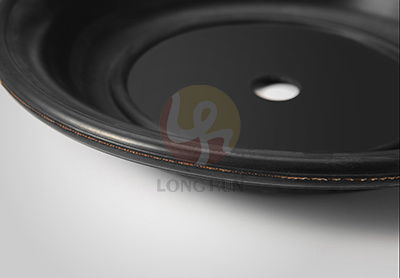
Rubber bonded metal products have gained significant traction in the chemical industry due to their unique properties that offer a combination of flexibility, durability, and resistance to harsh environments. These products are primarily used in applications where metal components require enhanced cushioning, vibration dampening, and sealing capabilities. The industrial use of rubber bonded metal
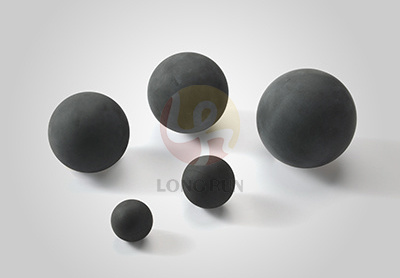
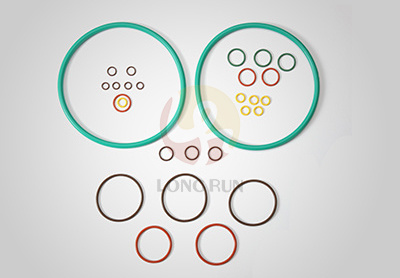
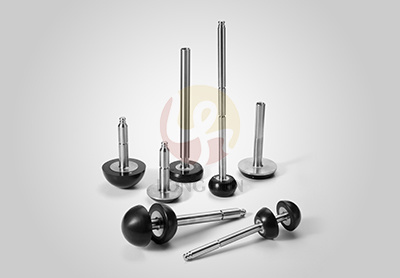
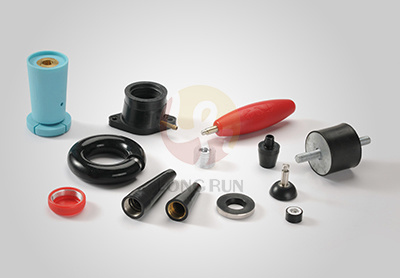
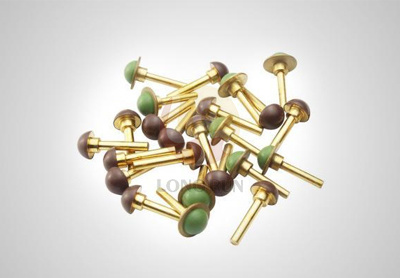
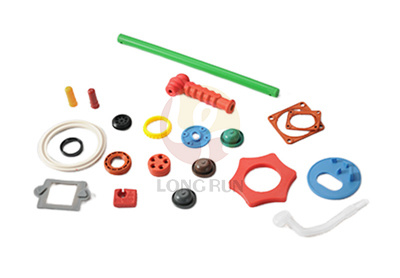
Rubber bonded metal products have gained significant traction in the chemical industry due to their unique properties that offer a combination of flexibility, durability, and resistance to harsh environments. These products are primarily used in applications where metal components require enhanced cushioning, vibration dampening, and sealing capabilities. The industrial use of rubber bonded metal products is pivotal in ensuring reliability and efficiency in various chemical processes.
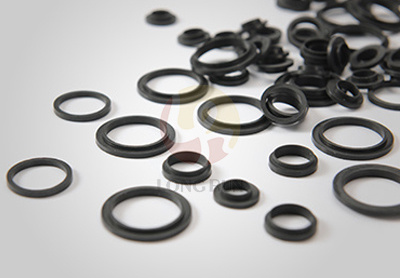
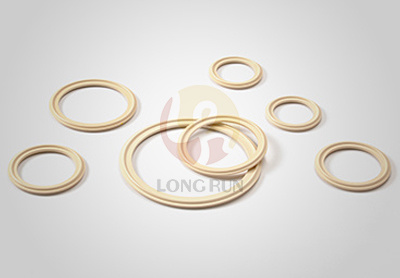
One of the primary advantages of rubber bonded metal products is their ability to withstand extreme temperatures and harsh chemicals. This makes them ideal for applications such as seals, gaskets, and vibration isolators in chemical processing equipment. By incorporating rubber into metal components, manufacturers can create products that not only protect against wear and tear but also enhance operational efficiency.
The manufacturing process of rubber bonded metal products typically involves several key steps. First, the metal substrate is prepared through cleaning and surface treatment to ensure optimal adhesion. Next, a layer of rubber is applied to the metal surface, followed by curing to create a strong bond. This process can be tailored to meet specific industry requirements, including the selection of rubber compounds that are resistant to particular chemicals or environmental conditions.
When selecting rubber bonded metal products for chemical applications, it is crucial to consider factors such as the type of rubber, the bonding method, and the intended use of the product. Different rubber compounds offer varying levels of chemical resistance, temperature tolerance, and mechanical properties. For instance, nitrile rubber is commonly used for oil resistance, while silicone rubber is preferred for high-temperature applications.
Additionally, understanding the bonding techniques is essential for ensuring the longevity and performance of the product. Techniques such as direct bonding or the use of adhesives can influence the durability and effectiveness of the bond between the rubber and metal components.
In conclusion, the industrial use of rubber bonded metal products plays a critical role in enhancing the performance and reliability of equipment in the chemical industry. By leveraging their unique properties, professionals can optimize processes, reduce maintenance costs, and improve safety. As the demand for innovative solutions continues to grow, understanding the applications and benefits of these products will be invaluable for industry practitioners.
One of the primary advantages of rubber bonded metal products is their ability to withstand extreme temperatures and harsh chemicals. This makes them ideal for applications such as seals, gaskets, and vibration isolators in chemical processing equipment. By incorporating rubber into metal components, manufacturers can create products that not only protect against wear and tear but also enhance operational efficiency.
The manufacturing process of rubber bonded metal products typically involves several key steps. First, the metal substrate is prepared through cleaning and surface treatment to ensure optimal adhesion. Next, a layer of rubber is applied to the metal surface, followed by curing to create a strong bond. This process can be tailored to meet specific industry requirements, including the selection of rubber compounds that are resistant to particular chemicals or environmental conditions.
When selecting rubber bonded metal products for chemical applications, it is crucial to consider factors such as the type of rubber, the bonding method, and the intended use of the product. Different rubber compounds offer varying levels of chemical resistance, temperature tolerance, and mechanical properties. For instance, nitrile rubber is commonly used for oil resistance, while silicone rubber is preferred for high-temperature applications.
Additionally, understanding the bonding techniques is essential for ensuring the longevity and performance of the product. Techniques such as direct bonding or the use of adhesives can influence the durability and effectiveness of the bond between the rubber and metal components.
In conclusion, the industrial use of rubber bonded metal products plays a critical role in enhancing the performance and reliability of equipment in the chemical industry. By leveraging their unique properties, professionals can optimize processes, reduce maintenance costs, and improve safety. As the demand for innovative solutions continues to grow, understanding the applications and benefits of these products will be invaluable for industry practitioners.
Prev:
Related News
Understanding Industrial Use of Rubber Bonded Metal Products in the Chemical Industry
Rubber bonded metal products have gained significant traction in the chemical industry due to their unique properties that offer a combination of flexibility, durability, and resistance to harsh environments. These products are primarily used in applications where metal components require enhanced cushioning, vibration dampening, and sealing capabilities. The industrial use of rubber bonded metal
Apr 07,2026
Exploring the Different Types of Customized Molded Rubber Balls Available
Exploring the Different Types of Customized Molded Rubber Balls Available Table of Contents 1. Introduction to Customized Molded Rubber Balls 2. Types of Customized Molded Rubber Balls 2.1 Natural Rubber Balls 2.2 Synthetic Rubber Balls 2.3 Specialty Rubber Balls 3. Applications of Customized Molded Rubber Balls
Apr 05,2026
Understanding the Advantages of Quality Fiber Reinforced Diaphragms in Chemical Applications
Fiber reinforced diaphragms are increasingly becoming a cornerstone in the chemical industry, particularly in applications requiring durability and resilience. These diaphragms are designed to withstand various operational challenges, including extreme temperatures, high pressures, and corrosive environments. By incorporating quality fiber reinforcement, these diaphragms enhance their mechanical p
Apr 03,2026
Enhance Industrial Efficiency with Fiber Reinforced Diaphragm
China Fiber Reinforced Diaphragm customize delivers durable, high-performance, tailored solutions for industrial applications.
Apr 02,2026
The Advantages of Tailored Rubber Bellows Solutions for Your Automotive Applications
The Advantages of Tailored Rubber Bellows Solutions for Your Automotive Applications Table of Contents Introduction to Custom Rubber Bellows What Are Rubber Bellows? The Importance of Customization in Automotive Applications Key Benefits of Custom Rubber Bellows Solutions 1. Enhanced Durability 2. Superior Flexibility 3. Cost-Effectiven
Apr 01,2026

Add: Building # 7, No. 27, Songbai Ling Avenue, Zhonghan Huizhou Industrial Park, Zhongkai High-tech Zone, Huizhou, Guangdong, China 516032

LONGRUN
Privacy Policy | SEO | Support: 300.cn