
Quality Fiber Reinforced Diaphragm Applications: A Comprehensive Guide
Publish:
2026-04-13


Quality Fiber Reinforced Diaphragm Applications: A Comprehensive Guide
Table of Contents
1. Introduction to Fiber Reinforced Diaphragms
2. Understanding Diaphragms: Structure and Function
3. Benefits of Fiber Reinforcement in Diaphragms
4. Applications of Fiber Reinforced Diaphragms
4.1 Automotive Industry
4.2 Aerospace Industry
4.3 Ind
Quality Fiber Reinforced Diaphragm Applications: A Comprehensive Guide
Table of Contents
- 1. Introduction to Fiber Reinforced Diaphragms
- 2. Understanding Diaphragms: Structure and Function
- 3. Benefits of Fiber Reinforcement in Diaphragms
- 4. Applications of Fiber Reinforced Diaphragms
- 4.1 Automotive Industry
- 4.2 Aerospace Industry
- 4.3 Industrial Machinery
- 4.4 Medical Devices
- 4.5 Environmental Applications
- 5. Key Factors in Material Selection
- 6. Performance and Testing of Fiber Reinforced Diaphragms
- 7. Sustainability in Fiber Reinforcement
- 8. Future Trends in Fiber Reinforced Diaphragms
- 9. Frequently Asked Questions
- 10. Conclusion
1. Introduction to Fiber Reinforced Diaphragms
Fiber reinforced diaphragms play a pivotal role in various industries due to their enhanced durability, strength, and flexibility. These components are designed to withstand demanding conditions, making them essential in applications where reliability and efficiency are paramount. This guide aims to provide a thorough understanding of fiber reinforced diaphragms, exploring their construction, benefits, and diverse applications across different sectors.
2. Understanding Diaphragms: Structure and Function
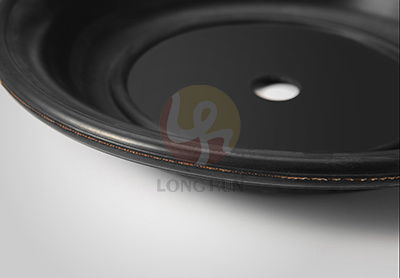
Diaphragms are structural elements that transmit forces between different components, often acting as a barrier or separator. Typically made from materials such as rubber or plastic, the addition of fiber reinforcement significantly improves their mechanical properties. The basic structure consists of a flexible membrane that can deform under load while maintaining its integrity. This unique arrangement allows diaphragms to efficiently handle pressure variations, making them ideal for numerous applications.
The Mechanics of Fiber Reinforcement
Fiber reinforcement involves embedding fibers into the diaphragm material, enhancing its tensile strength and stiffness without adding excessive weight. Common fibers used include aramid, glass, and carbon fibers, each contributing unique advantages based on the application requirements. By adjusting the fiber composition and architecture, manufacturers can tailor diaphragms to meet specific performance criteria.
3. Benefits of Fiber Reinforcement in Diaphragms
The integration of fiber reinforcement into diaphragms produces numerous advantages:
Enhanced Durability
Fiber reinforced diaphragms exhibit superior resistance to wear and fatigue, ensuring a longer service life compared to non-reinforced alternatives. This durability is crucial in high-stress environments, reducing the need for frequent replacements.
Improved Performance
These diaphragms can withstand extreme temperatures and pressures, maintaining their functionality under challenging conditions. This reliability translates into better overall performance in various applications.
Weight Reduction
Despite their enhanced strength, fiber reinforced diaphragms are lightweight, which is particularly advantageous in industries such as aerospace and automotive where weight savings are critical for efficiency.
Cost-Effectiveness
By reducing maintenance needs and extending service life, fiber reinforced diaphragms can lead to significant cost savings over time, making them a preferred choice for manufacturers.
4. Applications of Fiber Reinforced Diaphragms
Fiber reinforced diaphragms find applications in a myriad of industries, showcasing their versatility and efficiency. Below, we explore several key sectors where these diaphragms are widely utilized.
4.1 Automotive Industry
In the automotive sector, fiber reinforced diaphragms are employed in various components, including brake systems, fuel pumps, and pneumatic systems. Their ability to withstand extreme environmental conditions makes them ideal for vehicles that operate under varied climates.
4.2 Aerospace Industry
Aerospace applications require components that offer high performance and reliability. Fiber reinforced diaphragms are used in actuator systems, fuel tanks, and environmental control systems. Their lightweight nature contributes to overall fuel efficiency, a vital factor in aerospace engineering.
4.3 Industrial Machinery
In industrial settings, these diaphragms are utilized in pumps, valves, and compressors. Their durability under continuous operation enhances the efficiency of machinery, reducing downtime due to repairs or replacements.
4.4 Medical Devices
The medical field relies on fiber reinforced diaphragms for devices such as syringe pumps, respiratory equipment, and diagnostic tools. The high standards of performance and reliability in this industry necessitate the use of advanced materials that fiber reinforcement provides.
4.5 Environmental Applications
Fiber reinforced diaphragms are increasingly used in environmental applications, such as waste treatment facilities and renewable energy systems. Their resistance to corrosive environments and longevity enhances the sustainability of these systems.
5. Key Factors in Material Selection
Choosing the right materials for fiber reinforced diaphragms is crucial for achieving optimal performance. Key factors to consider include:
Material Compatibility
Ensure that the selected fibers and matrix materials are compatible to maximize the performance and longevity of the diaphragm.
Environmental Resistance
Assess the environmental conditions the diaphragm will face, including temperature fluctuations, exposure to chemicals, and potential physical stressors.
Performance Requirements
Evaluate the specific performance criteria needed for the application, such as tensile strength, flexibility, and fatigue resistance.
6. Performance and Testing of Fiber Reinforced Diaphragms
Rigorous testing is essential to ensure that fiber reinforced diaphragms meet performance expectations. Key tests include:
Tensile Testing
This test measures the diaphragm's ability to withstand stretching forces, providing insights into its strength and elasticity.
Fatigue Testing
Fatigue testing involves subjecting the diaphragm to repeated stress cycles to evaluate its durability and lifespan under operational conditions.
Environmental Testing
Simulating real-world conditions, environmental testing determines how well the diaphragm performs under various temperatures, humidity levels, and exposure to chemicals.
7. Sustainability in Fiber Reinforcement
As industries move towards more sustainable practices, fiber reinforced diaphragms also contribute to this goal. The use of recyclable materials and eco-friendly manufacturing processes enhances the sustainability profile of these products.
Recyclable Materials
Innovative methods are being developed to incorporate recyclable fibers and matrices that can reduce waste and promote circular economy principles.
Energy Efficiency
By enhancing the efficiency of machinery and reducing material waste, fiber reinforced diaphragms help lower energy consumption across various applications.
8. Future Trends in Fiber Reinforced Diaphragms
The future of fiber reinforced diaphragms looks promising, with several trends emerging:
Advanced Materials
Research is ongoing into new fiber materials that offer improved performance, such as bio-based fibers that are both strong and sustainable.
Smart Diaphragms
The integration of sensors and smart technologies into diaphragms is a developing trend that promises enhanced monitoring and performance optimization.
Customization and Tailoring
With advances in manufacturing techniques, there is a growing trend towards customization, allowing manufacturers to create diaphragms that meet specific customer needs and application requirements.
9. Frequently Asked Questions
1. What are fiber reinforced diaphragms made of?
Fiber reinforced diaphragms typically consist of a polymer matrix that is enhanced with fibers like aramid, glass, or carbon. This combination improves strength and durability.
2. How do I choose the right diaphragm for my application?
Consider factors such as environmental conditions, performance requirements, and material compatibility when selecting a diaphragm. Consult with manufacturers for tailored solutions.
3. Are fiber reinforced diaphragms more expensive than traditional ones?
While the initial cost may be higher, the long-term benefits, including reduced maintenance and increased durability, often justify the investment.
4. Can fiber reinforced diaphragms be recycled?
Yes, advancements in material science are leading to more recyclable options for fiber reinforced diaphragms, contributing to sustainability efforts.
5. What industries benefit the most from fiber reinforced diaphragms?
Industries such as automotive, aerospace, medical devices, and environmental systems significantly benefit from the reliability and performance of fiber reinforced diaphragms.
10. Conclusion
Fiber reinforced diaphragms represent a critical innovation in the world of materials science and engineering. Their enhanced durability, performance, and versatility make them indispensable across various industries. By understanding their structure, benefits, and applications, stakeholders can make informed decisions that optimize project outcomes. As we move towards a more sustainable future, the development and use of fiber reinforced diaphragms will undoubtedly play a key role in advancing technology and efficiency across numerous sectors.
Related News
The Future of Industrial Use: Advancements in Rubber Bonded Metal Technology
The Future of Industrial Use: Advancements in Rubber Bonded Metal Technology Table of Contents Introduction to Rubber Bonded Metal Technology Understanding Rubber Bonded Metal: Composition and Properties Advantages of Rubber Bonded Metal Technology in Industrial Applications Applications of Rubber Bonded Metal in Various Industries The Manufacturing Process of Rubber Bonded Me
Apr 17,2026
Unlocking Versatility: The Benefits of Customized Molded Rubber Balls
Customized molded rubber balls are an innovative solution that cater to a wide array of applications across various sectors, particularly in the chemical and rubber manufacturing industries. These specialized products are designed to meet specific requirements, providing enhanced performance, durability, and functionality. By understanding the unique benefits and applications of customized molded
Apr 15,2026
Oil Resistant Gasket: Engineering Reliability for Demanding Sealing Environments
Oil resistant gaskets provide reliable sealing in systems exposed to oils and fuels. Made from durable materials and produced through precise manufacturing, they ensure stability, prevent leakage, and support long-term equipment performance.
Apr 15,2026
Quality Fiber Reinforced Diaphragm Applications: A Comprehensive Guide
Quality Fiber Reinforced Diaphragm Applications: A Comprehensive Guide Table of Contents 1. Introduction to Fiber Reinforced Diaphragms 2. Understanding Diaphragms: Structure and Function 3. Benefits of Fiber Reinforcement in Diaphragms 4. Applications of Fiber Reinforced Diaphragms 4.1 Automotive Industry 4.2 Aerospace Industry 4.3 Ind
Apr 13,2026
Understanding the Role of Rubber Bellows Manufacturers in the Automotive Industry
In the automotive industry, the reliability and performance of various components are critical. One such component is the rubber bellow, which plays an essential role in ensuring that parts function smoothly and efficiently. Rubber bellows are flexible, bellows-like structures made from rubber materials, designed to accommodate movement while protecting the components they encase from dirt, moistu
Apr 11,2026

Add: Building # 7, No. 27, Songbai Ling Avenue, Zhonghan Huizhou Industrial Park, Zhongkai High-tech Zone, Huizhou, Guangdong, China 516032

LONGRUN
Privacy Policy | SEO | Support: 300.cn