The Future of Industrial Use: Advancements in Rubber Bonded Metal Technology
Publish:
2026-04-17


The Future of Industrial Use: Advancements in Rubber Bonded Metal Technology
Table of Contents
Introduction to Rubber Bonded Metal Technology
Understanding Rubber Bonded Metal: Composition and Properties
Advantages of Rubber Bonded Metal Technology in Industrial Applications
Applications of Rubber Bonded Metal in Various Industries
The Manufacturing Process of Rubber Bonded Me
The Future of Industrial Use: Advancements in Rubber Bonded Metal Technology
Table of Contents
- Introduction to Rubber Bonded Metal Technology
- Understanding Rubber Bonded Metal: Composition and Properties
- Advantages of Rubber Bonded Metal Technology in Industrial Applications
- Applications of Rubber Bonded Metal in Various Industries
- The Manufacturing Process of Rubber Bonded Metal Components
- Challenges and Limitations of Rubber Bonded Metal Technology
- Future Trends in Rubber Bonded Metal Technology
- Conclusion
- FAQs about Rubber Bonded Metal Technology
Introduction to Rubber Bonded Metal Technology
Rubber bonded metal technology represents a remarkable fusion of two seemingly disparate materials: the pliability of rubber and the rigidity of metal. This innovative technology has gained significant attention in recent years, primarily due to its unique properties that offer enhanced performance in various industrial applications. By combining the benefits of both materials, industries can achieve improved efficiency, performance, and durability in their products.
The industrial landscape is evolving rapidly, with manufacturers continuously seeking ways to optimize their operations and improve product quality. Rubber bonded metal technology is at the forefront of this transformation, promising to reshape how industries approach material selection and usage. This article aims to delve deep into the advancements in rubber bonded metal technology, examining its properties, advantages, applications, manufacturing processes, challenges, and future trends.
Understanding Rubber Bonded Metal: Composition and Properties
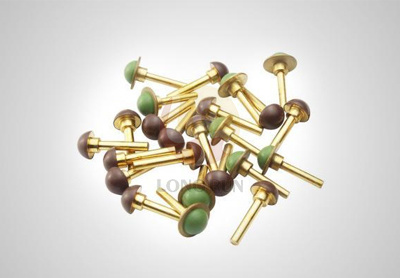
Rubber bonded metal typically consists of a metal substrate and a rubber compound that is chemically and physically bonded together. The bonding process often involves the use of adhesives or specific manufacturing techniques like vulcanization, where rubber is heated and cured to enhance its strength and elasticity.
Composition of Rubber Bonded Metal
The composition of rubber bonded metal can vary significantly depending on the intended application. Commonly used metals include steel, aluminum, and brass, while the rubber component can be natural or synthetic, including materials like EPDM, Nitrile, or Silicone. The choice of materials impacts the final product's performance characteristics, such as heat resistance, chemical resistance, and overall durability.
Properties of Rubber Bonded Metal
The unique combination of rubber and metal results in several advantageous properties:
- **Elasticity:** The rubber component provides flexibility, allowing for movement without compromising the integrity of the metal.
- **Damping:** Rubber bonded metal exhibits excellent vibration dampening capabilities, making it ideal for applications where noise reduction is critical.
- **Corrosion Resistance:** The rubber layer offers protection against corrosion, extending the lifespan of metal components in harsh environments.
- **Thermal Insulation:** Rubber's low thermal conductivity can help in managing temperature variations, providing insulation for sensitive components.
Advantages of Rubber Bonded Metal Technology in Industrial Applications
The integration of rubber bonded metal technology into industrial settings presents numerous advantages that enhance performance and operational efficiency.
Improved Durability and Longevity
One of the primary benefits of rubber bonded metal technology is its enhanced durability. The rubber layer protects the metal from environmental factors such as moisture, chemicals, and abrasion, significantly extending the lifespan of components. This durability leads to reduced maintenance costs and fewer replacements over time.
Enhanced Performance
Rubber bonded metal components offer superior performance in applications that require flexibility without sacrificing strength. The elasticity of rubber allows parts to absorb shocks and vibrations, reducing wear and tear on machinery and improving overall operational efficiency.
Cost-Effectiveness
While the initial investment in rubber bonded metal technology may be higher than traditional materials, the long-term savings on maintenance, repairs, and replacements make it a cost-effective choice for many industries. The combination of reduced downtime and increased productivity translates to significant financial benefits.
Versatility
Rubber bonded metal technology is highly versatile, making it suitable for various applications across numerous industries. From automotive and aerospace to manufacturing and construction, the adaptability of this hybrid material can meet diverse operational requirements.
Applications of Rubber Bonded Metal in Various Industries
The versatility of rubber bonded metal technology allows it to be employed in a wide range of industrial applications. Here are some notable examples:
Automotive Industry
In the automotive sector, rubber bonded metal components are used in various applications, including bushings, mounts, and gaskets. These components contribute to improved ride quality by reducing vibrations and noise, enhancing passenger comfort.
Aerospace Industry
The aerospace industry benefits from rubber bonded metal technology in applications such as landing gear and engine mounts. The lightweight yet strong nature of these components allows for increased fuel efficiency while maintaining safety and performance standards.
Manufacturing Equipment
Rubber bonded metal is widely used in manufacturing equipment, particularly in vibration isolation pads and mounts. These components help minimize vibrations, which can lead to increased accuracy and precision in manufacturing processes.
Construction Industry
In construction, rubber bonded metal technology is employed in expansion joints, seismic isolators, and structural supports. These applications enhance the durability and flexibility of structures, enabling them to withstand various environmental stresses.
The Manufacturing Process of Rubber Bonded Metal Components
The manufacturing process of rubber bonded metal components involves several critical steps to ensure optimal bonding and performance.
Preparation of Metal Substrate
The first step in the manufacturing process is to prepare the metal substrate. This involves cleaning the metal surface to remove any contaminants that could interfere with the bonding process. Techniques such as sandblasting or chemical cleaning are commonly employed.
Application of Adhesive
Once the metal substrate is prepared, a suitable adhesive is applied to create a strong bond between the rubber and metal. The choice of adhesive depends on the specific rubber and metal materials used, as well as the intended application.
Vulcanization Process
The next step is the vulcanization process, where the rubber is heated and cured. This process enhances the rubber's mechanical properties, ensuring a robust bond with the metal substrate. The vulcanization temperature and duration are critical factors that influence the final product's performance.
Curing and Finishing
After vulcanization, the rubber bonded metal components undergo curing and finishing processes. This may include trimming, machining, or surface treatment to achieve the desired specifications and quality standards.
Challenges and Limitations of Rubber Bonded Metal Technology
Despite its many advantages, rubber bonded metal technology also faces several challenges that manufacturers must navigate.
Material Compatibility
Achieving the right bond between rubber and metal requires careful consideration of material compatibility. If the materials are not well-matched, it can lead to delamination or failure of the bond under stress.
Processing Complexity
The manufacturing process for rubber bonded metal components can be complex and requires specialized equipment and expertise. This complexity can lead to increased production costs and longer lead times, which may deter some manufacturers from adopting this technology.
Environmental Concerns
The use of certain adhesives and chemicals in the manufacturing process can raise environmental concerns. Manufacturers must be mindful of regulatory requirements and consider more sustainable practices to mitigate their impact.
Future Trends in Rubber Bonded Metal Technology
As industries continue to innovate, several trends are emerging in rubber bonded metal technology that promise to shape its future.
Advancements in Material Science
Ongoing research in material science is leading to the development of new rubber compounds and adhesives that enhance the performance of rubber bonded metal components. These advancements may result in improved heat resistance, chemical resistance, and overall durability.
Increased Automation
The manufacturing processes for rubber bonded metal components are becoming increasingly automated, leading to greater efficiency and precision. Automation can help reduce production costs and improve the consistency of finished products.
Sustainable Practices
As environmental concerns gain prominence, the industry is likely to see a shift toward more sustainable practices. This includes the development of eco-friendly adhesives and recyclable rubber compounds, contributing to a more sustainable manufacturing process.
Growing Demand Across Industries
The demand for rubber bonded metal technology is expected to continue growing across various industries, driven by the need for lightweight, durable, and efficient materials. As manufacturers seek innovative solutions, rubber bonded metal technology will play a pivotal role in meeting these needs.
Conclusion
Rubber bonded metal technology stands at the forefront of industrial innovation, offering a unique combination of flexibility and strength that meets the evolving demands of various sectors. Its numerous advantages, including durability, performance, and cost-effectiveness, make it an attractive choice for manufacturers looking to enhance their operations.
As advancements in material science and manufacturing processes continue to unfold, we can expect rubber bonded metal technology to become increasingly prevalent in industrial applications. By embracing this innovative technology, industries can not only improve their product offerings but also contribute to a more sustainable future.
FAQs about Rubber Bonded Metal Technology
1. What is rubber bonded metal technology?
Rubber bonded metal technology involves the combination of rubber and metal materials to create components that leverage the advantages of both, resulting in enhanced performance and durability.
2. What are the main advantages of using rubber bonded metal?
The main advantages include improved durability, enhanced performance, cost-effectiveness, and versatility across various industrial applications.
3. In which industries is rubber bonded metal technology commonly used?
It is commonly used in the automotive, aerospace, manufacturing, and construction industries.
4. What is the manufacturing process for rubber bonded metal components?
The process typically involves preparing the metal substrate, applying adhesive, vulcanizing the rubber, and finishing the components.
5. What challenges does rubber bonded metal technology face?
Challenges include material compatibility, processing complexity, and environmental concerns regarding adhesives and chemicals used in manufacturing.
By exploring the advancements in rubber bonded metal technology, industries can harness its potential to revolutionize their operations and create products that stand the test of time.
Prev:
Related News
The Future of Industrial Use: Advancements in Rubber Bonded Metal Technology
The Future of Industrial Use: Advancements in Rubber Bonded Metal Technology Table of Contents Introduction to Rubber Bonded Metal Technology Understanding Rubber Bonded Metal: Composition and Properties Advantages of Rubber Bonded Metal Technology in Industrial Applications Applications of Rubber Bonded Metal in Various Industries The Manufacturing Process of Rubber Bonded Me
Apr 17,2026
Unlocking Versatility: The Benefits of Customized Molded Rubber Balls
Customized molded rubber balls are an innovative solution that cater to a wide array of applications across various sectors, particularly in the chemical and rubber manufacturing industries. These specialized products are designed to meet specific requirements, providing enhanced performance, durability, and functionality. By understanding the unique benefits and applications of customized molded
Apr 15,2026
Oil Resistant Gasket: Engineering Reliability for Demanding Sealing Environments
Oil resistant gaskets provide reliable sealing in systems exposed to oils and fuels. Made from durable materials and produced through precise manufacturing, they ensure stability, prevent leakage, and support long-term equipment performance.
Apr 15,2026
Quality Fiber Reinforced Diaphragm Applications: A Comprehensive Guide
Quality Fiber Reinforced Diaphragm Applications: A Comprehensive Guide Table of Contents 1. Introduction to Fiber Reinforced Diaphragms 2. Understanding Diaphragms: Structure and Function 3. Benefits of Fiber Reinforcement in Diaphragms 4. Applications of Fiber Reinforced Diaphragms 4.1 Automotive Industry 4.2 Aerospace Industry 4.3 Ind
Apr 13,2026
Understanding the Role of Rubber Bellows Manufacturers in the Automotive Industry
In the automotive industry, the reliability and performance of various components are critical. One such component is the rubber bellow, which plays an essential role in ensuring that parts function smoothly and efficiently. Rubber bellows are flexible, bellows-like structures made from rubber materials, designed to accommodate movement while protecting the components they encase from dirt, moistu
Apr 11,2026

Add: Building # 7, No. 27, Songbai Ling Avenue, Zhonghan Huizhou Industrial Park, Zhongkai High-tech Zone, Huizhou, Guangdong, China 516032

LONGRUN
Privacy Policy | SEO | Support: 300.cn