
How Rubber Bellows Manufacturers Ensure Quality in Automotive Components
Publish:
2026-05-31


How Rubber Bellows Manufacturers Ensure Quality in Automotive Components
Table of Contents
1. Introduction to Rubber Bellows in Automotive Components
2. The Importance of Quality in Rubber Bellows
3. The Manufacturing Process of Rubber Bellows
4. Selecting the Right Materials for Durability
5. Quality Assurance Methods Employed by Manufacturers
6. Testing Procedures to Gua
How Rubber Bellows Manufacturers Ensure Quality in Automotive Components
Table of Contents
- 1. Introduction to Rubber Bellows in Automotive Components
- 2. The Importance of Quality in Rubber Bellows
- 3. The Manufacturing Process of Rubber Bellows
- 4. Selecting the Right Materials for Durability
- 5. Quality Assurance Methods Employed by Manufacturers
- 6. Testing Procedures to Guarantee Performance
- 7. Industry Standards and Certifications
- 8. The Role of Technology in Quality Control
- 9. Conclusion
- 10. FAQs
1. Introduction to Rubber Bellows in Automotive Components
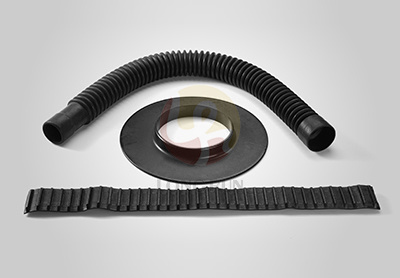
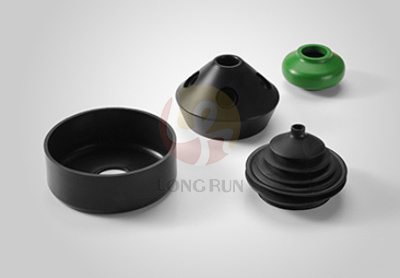
Rubber bellows play a crucial role in the automotive industry, serving as flexible joints that accommodate motion and protect sensitive components from dirt, dust, and moisture. These elements are essential for maintaining the integrity of various automotive systems, such as suspension, steering, and exhaust systems. Understanding how rubber bellows are manufactured and the quality assurance protocols involved is key to ensuring their reliability and performance.
2. The Importance of Quality in Rubber Bellows
Quality in rubber bellows is paramount for several reasons:
- **Durability**: High-quality rubber bellows can withstand extreme temperatures, pressures, and mechanical stress without failing.
- **Performance**: Ensuring that these components perform optimally directly affects the safety and efficiency of the vehicle.
- **Cost-effectiveness**: Reducing the failure rate of rubber bellows minimizes replacement costs and downtime for automotive systems.
3. The Manufacturing Process of Rubber Bellows
The manufacturing of rubber bellows involves several intricate steps that collectively ensure the final product meets high standards of quality:
3.1 Design and Engineering
The process begins with detailed design and engineering, where specifications are defined based on the application requirements. Manufacturers utilize advanced CAD software to create precise models, ensuring that every aspect of the bellows is tailored for optimal performance.
3.2 Material Preparation
Once the design is finalized, the next phase involves preparing the right materials. Manufacturers often choose compounds that enhance flexibility and resistance to aging, UV light, and chemicals.
3.3 Molding Process
The prepared materials are then subjected to the molding process, which can be done through injection, compression, or transfer methods. Each technique has its advantages and is selected based on the specific requirements of the rubber bellows.
3.4 Curing (Vulcanization)
Curing, or vulcanization, is a critical step where the molded rubber undergoes a chemical process that enhances its properties. This step ensures that the bellows are elastic, resilient, and capable of withstanding extreme conditions.
3.5 Final Inspection
After curing, the rubber bellows undergo a rigorous final inspection to check for defects, ensuring that only high-quality products are passed on for distribution.
4. Selecting the Right Materials for Durability
The selection of materials is vital in guaranteeing the performance and longevity of rubber bellows. Key factors to consider include:
4.1 Rubber Compounds
Different rubber compounds, such as EPDM (Ethylene Propylene Diene Monomer), NBR (Nitrile Butadiene Rubber), and silicone rubber, are used based on their specific properties and the demands of the application.
4.2 Additives
Additives can be incorporated into the rubber to improve characteristics such as UV resistance, fire resistance, and overall durability.
5. Quality Assurance Methods Employed by Manufacturers
To maintain high standards, manufacturers implement various quality assurance methods throughout the production process:
5.1 Process Control
This involves closely monitoring the manufacturing process to ensure that all parameters remain within specified limits. Any deviation is corrected immediately to prevent defects.
5.2 Statistical Quality Control
Using statistical methods, manufacturers analyze data from various stages of production to identify trends and areas for improvement.
5.3 Supplier Quality Management
The quality of raw materials significantly impacts the final product. Manufacturers often establish stringent criteria for selecting suppliers and conduct regular audits.
6. Testing Procedures to Guarantee Performance
Testing is essential for verifying that rubber bellows meet all performance requirements before they are deployed in vehicles. Common testing procedures include:
6.1 Dimensional Verification
Ensuring that the rubber bellows meet specified dimensions is crucial for proper fit and function.
6.2 Mechanical Testing
Mechanical properties, such as tensile strength, elongation, and tear resistance, are tested to ensure that the bellows can withstand operational demands.
6.3 Environmental Testing
Environmental tests expose the rubber bellows to various conditions, such as extreme heat, cold, and exposure to chemicals, ensuring their resilience in real-world applications.
7. Industry Standards and Certifications
Compliance with industry standards is a hallmark of quality in rubber bellows manufacturing. Key standards include:
7.1 ISO 9001 Certification
This certification indicates that a manufacturer adheres to international quality management practices.
7.2 IATF 16949 Certification
Specific to the automotive industry, this standard focuses on continuous improvement and defect prevention in the supply chain.
8. The Role of Technology in Quality Control
Advancements in technology are revolutionizing the way rubber bellows are manufactured and tested. Automation, AI, and advanced diagnostics enable manufacturers to optimize the production process and improve quality control measures.
8.1 Automation in Manufacturing
Automating repetitive tasks reduces human error and increases production efficiency, allowing manufacturers to focus on quality improvements.
8.2 AI and Predictive Analytics
AI-driven analytics can predict potential failures or quality issues by analyzing data patterns, enabling proactive adjustments in the manufacturing process.
9. Conclusion
In conclusion, the quality assurance of rubber bellows in automotive components is a multifaceted process that encompasses material selection, manufacturing practices, and rigorous testing. By adhering to industry standards and leveraging advanced technologies, manufacturers can produce rubber bellows that meet the demands of modern automotive applications, ensuring safety, performance, and longevity in vehicles.
10. FAQs
10.1 What are rubber bellows and their purpose in vehicles?
Rubber bellows are flexible components that protect joints and sensitive parts in vehicles from contaminants while allowing for movement.
10.2 What materials are commonly used in the manufacturing of rubber bellows?
Common materials include EPDM, NBR, and silicone rubber, each selected for specific performance characteristics.
10.3 How do manufacturers ensure the quality of rubber bellows?
Manufacturers utilize process controls, statistical quality methods, and rigorous testing procedures to maintain high-quality standards.
10.4 What testing procedures are involved in rubber bellows quality assurance?
Testing includes dimensional verification, mechanical testing, and environmental testing to ensure performance under various conditions.
10.5 Why are industry certifications important for rubber bellows manufacturers?
Certifications like ISO 9001 and IATF 16949 demonstrate a commitment to quality management and continuous improvement, assuring customers of product reliability.
Prev:
Related News
How Rubber Bellows Manufacturers Ensure Quality in Automotive Components
How Rubber Bellows Manufacturers Ensure Quality in Automotive Components Table of Contents 1. Introduction to Rubber Bellows in Automotive Components 2. The Importance of Quality in Rubber Bellows 3. The Manufacturing Process of Rubber Bellows 4. Selecting the Right Materials for Durability 5. Quality Assurance Methods Employed by Manufacturers 6. Testing Procedures to Gua
May 31,2026
Exploring the Role of Viton O-Rings in the Automobile Industry
In the automobile industry, the use of advanced materials is crucial for enhancing the performance and durability of various components. One such material is Viton, a type of fluorocarbon elastomer known for its excellent resistance to heat, chemicals, and aging. Viton O-rings are widely used in automotive applications, providing reliable sealing solutions that ensure the integrity of systems unde
May 29,2026
How to Select the Right Rubber Bonded Metal Products for Your Needs
How to Select the Right Rubber Bonded Metal Products for Your Needs Table of Contents Introduction to Rubber Bonded Metal Products Understanding Rubber Bonded Metal Products Key Factors in Selecting Rubber Bonded Metal Products Material Compatibility Manufacturing Processes Performance Requirements Applica
May 27,2026
Understanding Customized Molded Rubber Balls: Applications, Benefits, and Considerations
Customized molded rubber balls are increasingly becoming a preferred choice in various industries due to their versatility and adaptability. These specialized products are crafted to meet unique specifications, allowing businesses to tailor them for specific applications. One of the key advantages of customized molded rubber balls is their ability to be produced in various sizes, shapes, and mater
May 25,2026
Quality Fiber Reinforced Diaphragms: Revolutionizing the Rubber Product Landscape
Quality Fiber Reinforced Diaphragms: Revolutionizing the Rubber Product Landscape Table of Contents 1. Introduction to Fiber Reinforced Diaphragms 2. Understanding the Composition of Fiber Reinforced Diaphragms 3. The Unique Benefits of Fiber Reinforced Diaphragms 3.1 Enhanced Durability and Performance 3.2 Weight Reduction and Energy Efficiency 3.3 Versatility Across Industries 4. Applications of
May 23,2026

Add: Building # 7, No. 27, Songbai Ling Avenue, Zhonghan Huizhou Industrial Park, Zhongkai High-tech Zone, Huizhou, Guangdong, China 516032

LONGRUN
Privacy Policy | SEO | Support: 300.cn