


Why OEMs Prefer Established Rubber Bellows Manufacturers: A Deep Dive into Quality, Reliability, and Performance
Publish:
2026-07-11


Why OEMs Prefer Established Rubber Bellows Manufacturers
Table of Contents
1. Introduction
2. Understanding Rubber Bellows
3. The Importance of Quality in Manufacturing
4. Reasons Why OEMs Prefer Established Manufacturers
4.1 Track Record of Quality
4.2 Advanced Manufacturing Techniques
4.3 Reliable Supply Chain Management
4
Why OEMs Prefer Established Rubber Bellows Manufacturers
Table of Contents
- 1. Introduction
- 2. Understanding Rubber Bellows
- 3. The Importance of Quality in Manufacturing
- 4. Reasons Why OEMs Prefer Established Manufacturers
- 4.1 Track Record of Quality
- 4.2 Advanced Manufacturing Techniques
- 4.3 Reliable Supply Chain Management
- 4.4 Technical Expertise and Support
- 4.5 Regulatory Compliance
- 5. Case Studies of Successful Partnerships
- 6. Future Trends in Rubber Bellows Manufacturing
- 7. Conclusion
- 8. FAQs
1. Introduction
In the automotive industry, the importance of high-quality components cannot be overstated. One such component is the **rubber bellows**, which plays a crucial role in protecting various mechanical parts from dust, moisture, and other contaminants. As Original Equipment Manufacturers (OEMs) strive for excellence in their products, many prefer to partner with **established rubber bellows manufacturers**. This article explores the reasons behind this preference, highlighting the significant advantages of choosing seasoned suppliers in the competitive automotive landscape.
2. Understanding Rubber Bellows
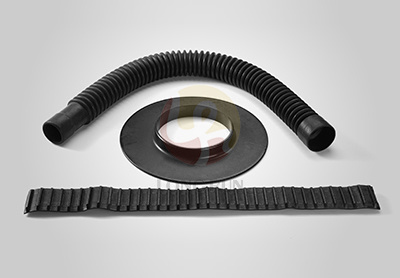
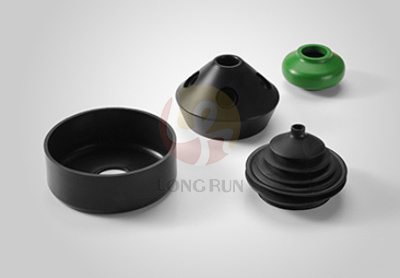
Rubber bellows are flexible, accordion-like structures that provide a protective seal around moving parts. They are commonly used in various applications, including suspensions, engine components, and steering systems. The primary function of rubber bellows is to safeguard sensitive components from environmental factors while allowing for movement and flexibility.
Key Characteristics of Rubber Bellows
The most notable characteristics of rubber bellows include:
- **Flexibility**: Designed to accommodate movement without compromising integrity.
- **Durability**: Made from high-quality rubber compounds to withstand harsh conditions.
- **Sealing Capability**: Effectively seals against dust, dirt, and moisture, enhancing component longevity.
3. The Importance of Quality in Manufacturing
Quality assurance is paramount in the manufacturing of automotive components, where safety and performance are critical. Established manufacturers have refined their processes to ensure that every product meets stringent quality standards.
Quality Management Systems (QMS)
Most reputable rubber bellows manufacturers implement robust Quality Management Systems (QMS) that adhere to international standards like ISO 9001. This ensures consistent quality in their products, reducing the likelihood of defects and recalls.
4. Reasons Why OEMs Prefer Established Manufacturers
4.1 Track Record of Quality
One of the primary reasons OEMs opt for established manufacturers is their **track record of quality**. These manufacturers have a history of producing reliable and durable rubber bellows that meet or exceed industry standards. This established reputation gives OEMs confidence in the performance of their products.
4.2 Advanced Manufacturing Techniques
Established manufacturers often invest in cutting-edge technologies and methodologies. This includes:
- **Automated Production Lines**: Enhancing efficiency and precision.
- **Material Innovations**: Utilizing advanced rubber compounds for superior performance.
- **State-of-the-art Testing Facilities**: Conducting rigorous testing to ensure each product's reliability.
4.3 Reliable Supply Chain Management
A strong and reliable supply chain is essential for OEMs to maintain production schedules and meet market demands. Established manufacturers typically have well-developed supply chains that ensure:
- **Timely Deliveries**: Minimizing the risk of production delays.
- **Consistent Quality**: Ensuring uniformity in product quality through reliable sourcing of raw materials.
4.4 Technical Expertise and Support
Working with established manufacturers provides OEMs access to a wealth of **technical expertise**. These manufacturers often employ specialists who can offer valuable insights into:
- **Product Design**: Providing recommendations for optimizing designs for performance and manufacturability.
- **Troubleshooting Support**: Assisting OEMs in resolving any issues that may arise during integration.
4.5 Regulatory Compliance
Navigating the complex landscape of regulatory requirements is crucial for the automotive industry. Established rubber bellows manufacturers are well-versed in these regulations, ensuring that their products comply with the necessary standards and certifications, thereby safeguarding OEMs from potential legal issues.
5. Case Studies of Successful Partnerships
Several successful partnerships between OEMs and established rubber bellows manufacturers illustrate the tangible benefits of these collaborations.
Case Study 1: Leading Automotive Manufacturer
A leading automotive manufacturer collaborated with an established rubber bellows supplier to enhance the durability of their suspension systems. By leveraging the supplier’s advanced materials and manufacturing processes, they achieved a 20% increase in lifespan, leading to higher customer satisfaction.
Case Study 2: Electric Vehicle Innovator
An electric vehicle manufacturer partnered with a seasoned rubber bellows manufacturer to develop innovative sealing solutions for their battery systems. The expertise of the supplier in regulatory compliance and material selection ensured that the components met stringent safety standards, paving the way for successful market entry.
6. Future Trends in Rubber Bellows Manufacturing
As the automotive industry evolves, so too does the manufacturing of rubber bellows. Key trends to watch include:
- **Sustainability**: Increased focus on eco-friendly materials and processes to reduce environmental impact.
- **Customization**: Growing demand for tailored solutions to meet specific application needs.
- **Technological Integration**: Adoption of advanced technologies like IoT for real-time monitoring of product performance.
7. Conclusion
The preference of OEMs for established rubber bellows manufacturers is driven by a myriad of factors encompassing quality, reliability, and technical expertise. These seasoned manufacturers not only provide superior products but also offer valuable support throughout the supply chain. As the automotive industry continues to innovate and evolve, partnerships with established suppliers will remain pivotal in ensuring quality and performance in vehicle components.
8. FAQs
What are rubber bellows used for in automotive applications?
Rubber bellows are primarily used to protect moving parts from environmental contaminants while allowing for flexibility and movement. They are commonly found in suspensions, steering systems, and engine components.
Why is quality assurance critical in rubber bellows manufacturing?
Quality assurance ensures that rubber bellows meet industry standards and perform reliably under varying conditions, which is crucial for vehicle safety and performance.
How can established manufacturers improve supply chain reliability?
Established manufacturers typically have robust supply chain management systems, ensuring timely deliveries and consistent quality of raw materials, which helps prevent production delays.
What technological advancements are influencing rubber bellows manufacturing?
Technological advancements such as automated production lines, innovative material formulations, and enhanced testing facilities are significantly improving the quality and performance of rubber bellows.
How do OEMs benefit from technical support provided by established manufacturers?
Technical support helps OEMs optimize product designs, troubleshoot issues, and ensure compliance with regulatory standards, ultimately leading to better product integration and market success.
Prev:
Related News
Why OEMs Prefer Established Rubber Bellows Manufacturers Table of Contents 1. Introduction 2. Understanding Rubber Bellows 3. The Importance of Quality in Manufacturing 4. Reasons Why OEMs Prefer Established Manufacturers 4.1 Track Record of Quality 4.2 Advanced Manufacturing Techniques 4.3 Reliable Supply Chain Management 4
Jul 11,2026
The Role of Viton O-Rings in the Automotive Industry
Viton O-rings are a crucial component in the automotive industry, playing a critical role in ensuring the reliability and efficiency of various systems within vehicles. Viton, a brand name for a type of fluorocarbon rubber, is known for its exceptional resistance to heat, chemicals, and wear, making it an ideal choice for automotive applications where durability and performance are paramount. One
Jul 09,2026
Exploring the Versatile Applications of Rubber Bonded Metals in the Chemical Industry
Exploring the Versatile Applications of Rubber Bonded Metals in the Chemical Industry Rubber bonded metals have emerged as essential materials in the chemical industry, serving various applications that enhance performance and safety. These composites combine the durability of metal with the elasticity of rubber, creating a unique solution for challenging environments. In this article, we will del
Jul 07,2026
Understanding Customized Molded Rubber Balls: Applications and Benefits
Customized molded rubber balls are a versatile product that plays a critical role in numerous applications within various industries. These balls are made from high-quality rubber materials, allowing them to be tailored to meet specific performance requirements and design specifications. The customization process involves shaping the rubber into desired forms and sizes, making it possible to creat
Jul 05,2026
Quality Fiber Reinforced Diaphragms: Driving Efficiency in Chemical Processes
Quality Fiber Reinforced Diaphragms: Driving Efficiency in Chemical Processes Table of Contents 1. Introduction to Fiber Reinforced Diaphragms 2. What Are Fiber Reinforced Diaphragms? 3. Benefits of Quality Fiber Reinforced Diaphragms - 3.1 Enhanced Durability - 3.2 Chemical Resistance - 3.3 Cost-Effectiveness 4. Applications in Chemical Processes - 4.1 Fluid Handling - 4.2 Pumping
Jul 03,2026

Add: Building # 7, No. 27, Songbai Ling Avenue, Zhonghan Huizhou Industrial Park, Zhongkai High-tech Zone, Huizhou, Guangdong, China 516032

LONGRUN
Privacy Policy | SEO | Support: 300.cn