

From Concept to Creation: Designing Your Own Customized Molded Rubber Balls
Publish:
2026-07-15


From Concept to Creation: Designing Your Own Customized Molded Rubber Balls
In the world of rubber products, molded rubber balls stand out due to their versatility and wide range of applications. Whether they are used in sports, industrial applications, or as promotional items, the demand for customized molded rubber balls has surged. This article will guide you through every stage of the design p
From Concept to Creation: Designing Your Own Customized Molded Rubber Balls
In the world of rubber products, molded rubber balls stand out due to their versatility and wide range of applications. Whether they are used in sports, industrial applications, or as promotional items, the demand for customized molded rubber balls has surged. This article will guide you through every stage of the design process, allowing you to create bespoke rubber balls that meet your specific needs.
Understanding the Basics of Molded Rubber Balls
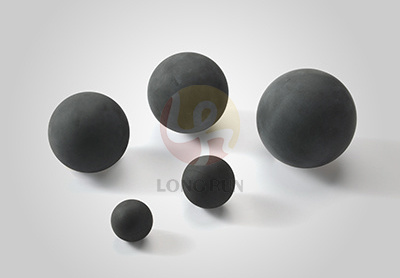
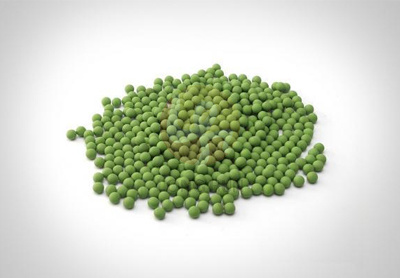
Molded rubber balls are created through a manufacturing process that involves shaping rubber materials into spherical forms. This process not only allows for custom sizes and shapes but also enables the incorporation of various properties tailored to specific applications. Understanding these basics is crucial for anyone considering the development of customized rubber balls.
The Advantages of Customizing Your Rubber Balls
Customizing rubber balls offers numerous advantages, such as:
- Tailored Specifications: Customize size, weight, and material to suit your unique requirements.
- Enhanced Performance: Create balls that cater to specific functions, whether for sports, industrial uses, or recreational purposes.
- Branding Opportunities: Incorporate logos or designs to enhance marketing efforts and brand visibility.
- Quality Control: Ensure that your product meets high-quality standards throughout the manufacturing process.
The Process of Designing Customized Molded Rubber Balls
1. Defining Your Purpose and Requirements
The first step in designing customized molded rubber balls is to clearly define their purpose. Are they for sports, educational tools, or industrial applications? Each application has its own requirements, so understanding the intended use will guide the design process. Specify aspects such as:
- Size and weight
- Material properties (e.g., hardness, flexibility, durability)
- Color and branding elements
2. Selecting the Right Materials
Choosing the appropriate materials is critical in rubber ball production. The most commonly used materials include:
- Natural Rubber: Offers excellent elasticity and resilience, making it suitable for sports balls.
- Synthetic Rubber: Provides enhanced resistance to wear and environmental factors, ideal for industrial applications.
- Thermoplastic Elastomers (TPE): Combines the properties of rubber and plastic, often used in soft-touch applications.
Consider factors such as the hardness of the material, the desired lifespan of the product, and environmental resistance when making your selection.
3. Crafting the Design
Once the purpose and materials are defined, the next step is to create a detailed design. This involves:
- Sketching the ball shape and dimensions
- Incorporating features such as textures, patterns, or logos
- Using CAD (Computer-Aided Design) software for precision and validation
Ensure that your design adheres to any industry standards or guidelines relevant to your application.
4. Prototyping Your Rubber Ball
Before mass production, creating a prototype is essential. Prototyping allows you to test the design and make necessary adjustments. It can involve:
- 3D printing for quick iterations
- Small batch production to evaluate performance
- Feedback collection from potential users or stakeholders
Testing Your Prototype
Once a prototype is created, rigorous testing is critical. Assess factors such as:
- Durability under stress and strain
- Performance during intended use
- Feedback on aesthetics and usability
Manufacturing Techniques for Molded Rubber Balls
1. Compression Molding
Compression molding is a traditional method used for producing rubber balls. The process involves placing a pre-measured amount of rubber into a heated mold. Once the mold is closed, heat and pressure are applied to cure the rubber, forming the ball. This technique is ideal for simpler designs and smaller production runs.
2. Injection Molding
Injection molding is more advanced and suitable for high-volume production. In this method, rubber is heated until it becomes pliable, then injected into a mold. This process allows for intricate designs and consistent quality. It is particularly effective for producing rubber balls with unique features or branding elements.
3. Liquid Silicone Rubber (LSR) Molding
For applications requiring high precision and flexibility, LSR molding is an excellent choice. This technique uses liquid silicone that cures at room temperature. LSR molding is ideal for creating customizable and soft-touch rubber balls, making it popular in the toy and consumer product industries.
Quality Assurance in Rubber Ball Production
Ensuring the quality of your customized rubber balls is paramount. Implementing a quality assurance plan can help maintain high standards throughout the production process. Key measures include:
- Material Quality Testing: Verify that raw materials meet established specifications.
- In-Process Inspections: Monitor production at various stages to catch defects early.
- Final Product Testing: Conduct tests on finished products to ensure they meet performance and safety standards.
Common Applications for Customized Molded Rubber Balls
Customized molded rubber balls can be utilized in a variety of sectors, including:
- Sports Equipment: Design unique balls for sports like basketball, soccer, or volleyball.
- Toys and Games: Create engaging and safe toys for children.
- Industrial Applications: Produce rubber balls that serve functional purposes in machinery and equipment.
- Promotional Products: Customize balls for branding opportunities during marketing campaigns.
Frequently Asked Questions (FAQs)
1. What materials are best for customized rubber balls?
The best materials depend on the intended application. Natural rubber is ideal for sports balls, while synthetic rubber or TPE is better for industrial use due to their durability and environmental resistance.
2. How long does the prototyping process take?
The prototyping process can take anywhere from a few days to several weeks, depending on the complexity of the design and the methods used for prototyping.
3. Can I incorporate my brand logo on the rubber balls?
Absolutely! Incorporating your logo is a standard part of the customization process and can enhance brand visibility.
4. What is the minimum order quantity for customized rubber balls?
Minimum order quantities can vary by manufacturer, but they typically range from a few hundred to several thousand units, especially for injection-molded products.
5. Are there safety standards for rubber balls used in toys?
Yes, rubber balls used in toys must comply with safety standards outlined by organizations such as ASTM, CPSC, and EN71, ensuring they are safe for children.
Conclusion
Designing your own customized molded rubber balls is a rewarding venture that combines creativity with practicality. By understanding the entire process—from concept to creation—you can develop unique products that cater to your specific needs. With careful consideration of materials, design, manufacturing techniques, and quality assurance, your customized rubber balls can thrive in various applications, offering both performance and branding opportunities. Seize the moment to innovate and bring your unique ideas to life in the world of molded rubber products.
Prev:
Related News
From Concept to Creation: Designing Your Own Customized Molded Rubber Balls
From Concept to Creation: Designing Your Own Customized Molded Rubber Balls In the world of rubber products, molded rubber balls stand out due to their versatility and wide range of applications. Whether they are used in sports, industrial applications, or as promotional items, the demand for customized molded rubber balls has surged. This article will guide you through every stage of the design p
Jul 15,2026
Understanding Quality Fiber Reinforced Diaphragms in Chemical Industry Applications
Quality fiber reinforced diaphragms play a crucial role in the chemical industry, particularly within the sector of rubber and other related products. These diaphragms are designed by embedding strong fibers within a rubber matrix, significantly enhancing their mechanical properties. The fiber reinforcement provides improved tensile strength, flexibility, and resistance to wear and tear, making th
Jul 13,2026
Why OEMs Prefer Established Rubber Bellows Manufacturers Table of Contents 1. Introduction 2. Understanding Rubber Bellows 3. The Importance of Quality in Manufacturing 4. Reasons Why OEMs Prefer Established Manufacturers 4.1 Track Record of Quality 4.2 Advanced Manufacturing Techniques 4.3 Reliable Supply Chain Management 4
Jul 11,2026
The Role of Viton O-Rings in the Automotive Industry
Viton O-rings are a crucial component in the automotive industry, playing a critical role in ensuring the reliability and efficiency of various systems within vehicles. Viton, a brand name for a type of fluorocarbon rubber, is known for its exceptional resistance to heat, chemicals, and wear, making it an ideal choice for automotive applications where durability and performance are paramount. One
Jul 09,2026
Exploring the Versatile Applications of Rubber Bonded Metals in the Chemical Industry
Exploring the Versatile Applications of Rubber Bonded Metals in the Chemical Industry Rubber bonded metals have emerged as essential materials in the chemical industry, serving various applications that enhance performance and safety. These composites combine the durability of metal with the elasticity of rubber, creating a unique solution for challenging environments. In this article, we will del
Jul 07,2026

Add: Building # 7, No. 27, Songbai Ling Avenue, Zhonghan Huizhou Industrial Park, Zhongkai High-tech Zone, Huizhou, Guangdong, China 516032

LONGRUN
Privacy Policy | SEO | Support: 300.cn