


Viton O-Rings: The Ultimate Solution for High-Temperature Automotive Applications
Publish:
2026-01-18


Viton O-Rings: The Ultimate Solution for High-Temperature Automotive Applications
Table of Contents
1. Introduction to Viton O-Rings and Their Importance
2. What Are Viton O-Rings?
3. Unique Properties of Viton
3.1 High-Temperature Resistance
3.2 Exceptional Chemical Compatibility
3.3 Durability and Longevity
4. Automotive Applications of Viton O-Rings
Viton O-Rings: The Ultimate Solution for High-Temperature Automotive Applications
Table of Contents
- 1. Introduction to Viton O-Rings and Their Importance
- 2. What Are Viton O-Rings?
- 3. Unique Properties of Viton
- 4. Automotive Applications of Viton O-Rings
- 5. Installation and Maintenance Tips for Viton O-Rings
- 6. Comparison with Other O-Ring Materials
- 7. Frequently Asked Questions (FAQs)
- 8. Conclusion
1. Introduction to Viton O-Rings and Their Importance
In the automotive industry, the performance and reliability of components are paramount. **Viton O-Rings** have emerged as a leading choice for sealing solutions, particularly in high-temperature applications. Their unique composition and properties make them ideal for use in engines, fuel systems, and cooling systems, where exposure to extreme conditions is common. This article delves into the advantages of Viton O-Rings, their applications, and maintenance tips to ensure optimal performance.
2. What Are Viton O-Rings?
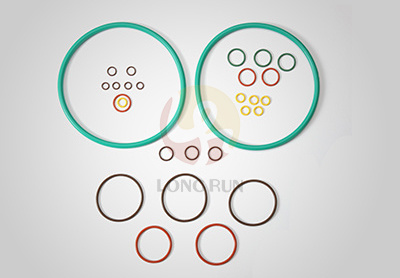
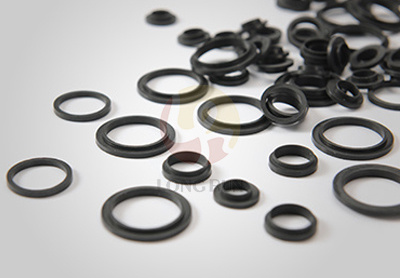
**Viton O-Rings** are made from a high-performance synthetic rubber known as fluoroelastomer. This material is renowned for its exceptional heat resistance and ability to withstand aggressive chemicals, making it suitable for various demanding automotive environments. Unlike standard rubber materials, Viton O-Rings can maintain their integrity under extreme temperatures, ensuring a reliable seal.
3. Unique Properties of Viton
Understanding the unique properties of Viton helps in appreciating why it is widely used in automotive applications.
3.1 High-Temperature Resistance
Viton O-Rings can withstand temperatures ranging from -20°F to 400°F (-29°C to 204°C) and even higher for short periods. This characteristic makes them particularly valuable in high-performance engines where temperatures can escalate significantly. The ability to maintain sealing integrity at elevated temperatures prevents leaks and component failures, ensuring vehicle safety and efficiency.
3.2 Exceptional Chemical Compatibility
Automotive environments expose O-Rings to various chemicals, including fuels, oils, and coolants. Viton O-Rings offer excellent resistance to a wide range of automotive fluids, minimizing the risk of degradation. This chemical resistance ensures prolonged service life and reliability, which are critical in automotive applications.
3.3 Durability and Longevity
Viton O-Rings exhibit remarkable durability, allowing them to withstand wear and tear over extended periods. Their resistance to aging and cracking ensures that they maintain their sealing properties throughout their lifecycle. This longevity makes them a cost-effective choice for automotive manufacturers looking to minimize maintenance and replacement costs.
4. Automotive Applications of Viton O-Rings
Viton O-Rings are versatile and can be utilized in various automotive applications. Their unique properties make them ideal for several critical components.
4.1 Engine Seals and Gaskets
In engines, Viton O-Rings are commonly used in seals and gaskets to prevent oil and coolant leaks. The high-temperature resistance of Viton ensures that these seals maintain their integrity even during the intense heat generated by combustion processes.
4.2 Fuel Systems
Viton O-Rings are also prevalent in fuel systems, where they are used to seal fuel injectors, fuel pumps, and lines. Their chemical compatibility with various fuels, including ethanol-blended fuels, makes them a reliable choice for modern vehicles.
4.3 Cooling Systems
In cooling systems, Viton O-Rings help maintain seals in water pumps and thermostat housings. Their ability to resist high temperatures and aggressive coolants ensures efficient engine cooling and prevents overheating.
5. Installation and Maintenance Tips for Viton O-Rings
Proper installation and maintenance of Viton O-Rings are essential for optimal performance. Here are some tips to ensure longevity:
- **Preparation:** Clean the sealing surfaces thoroughly before installation to remove any debris or old sealant.
- **Lubrication:** Apply a compatible lubricant to the O-Ring to ease installation and minimize the risk of damage during fitting.
- **Inspection:** Regularly inspect O-Rings for signs of wear, cracking, or hardening. Early detection can prevent leaks and costly repairs.
- **Temperature Monitoring:** Ensure that operating temperatures remain within the recommended range to prolong the life of the O-Rings.
6. Comparison with Other O-Ring Materials
When choosing O-Rings for automotive applications, it's essential to compare Viton with other materials.
- **Nitrile O-Rings:** While Nitrile O-Rings are widely used due to their cost-effectiveness, they lack the high-temperature and chemical resistance that Viton offers. Nitrile rubber is more prone to degradation in harsh environments.
- **Silicone O-Rings:** Silicone is excellent for low-temperature applications but fails to provide the same high-temperature resistance as Viton. Additionally, silicone O-Rings may not withstand aggressive chemicals as effectively.
- **Polyurethane O-Rings:** Polyurethane offers good wear resistance but is not as effective in high-temperature environments compared to Viton.
In conclusion, while other materials may serve specific purposes, **Viton O-Rings** consistently outperform them in high-temperature automotive applications due to their unique properties.
7. Frequently Asked Questions (FAQs)
**Q1: What is the maximum temperature Viton O-Rings can withstand?**
A: Viton O-Rings can typically withstand temperatures up to 400°F (204°C) and even higher in short bursts.
**Q2: Can Viton O-Rings be used with all types of fuel?**
A: Yes, Viton O-Rings are compatible with a wide range of fuels, including gasoline and ethanol-blended fuels.
**Q3: How do I know if my Viton O-Rings need replacement?**
A: Look for signs of wear, such as cracks, hardening, or loss of elasticity. Regular inspections can help identify potential issues before they lead to leaks.
**Q4: Are Viton O-Rings cost-effective?**
A: While Viton O-Rings may have a higher initial cost compared to other materials, their durability and longevity make them a cost-effective solution in the long run.
**Q5: Can I use Viton O-Rings in non-automotive applications?**
A: Yes, Viton O-Rings are suitable for various industrial applications, including chemical processing and aerospace, due to their excellent chemical resistance and high-temperature performance.
8. Conclusion
Viton O-Rings represent the pinnacle of sealing technology for high-temperature automotive applications. Their unmatched properties, including high-temperature resistance, chemical compatibility, and durability, make them the best choice for ensuring the reliability and performance of vital automotive systems. By choosing Viton O-Rings, automotive manufacturers and enthusiasts alike can rest assured that they are investing in a quality product designed to withstand the rigors of extreme conditions. With proper installation and maintenance, Viton O-Rings will offer exceptional performance and longevity, making them an invaluable asset in the automotive industry.
Related News
The Role of Rubber Bonded Metal Products in Improving Industrial Efficiency
The Role of Rubber Bonded Metal Products in Improving Industrial Efficiency Table of Contents Introduction Understanding Rubber Bonded Metal Products Historical Development of Rubber Bonded Metal Technology Benefits of Rubber Bonded Metal Products Applications in Industrial Settings Impact on Industrial Efficiency Future Trends and Innovations Frequently Asked Ques
Oct 12,2026
The Essential Guide to Viton O-Rings: Key Benefits and Applications
Viton O-rings are vital components in various industrial applications, particularly in the chemical and rubber products sector. Known for their exceptional performance, these O-rings are made from a type of fluoroelastomer that exhibits remarkable resistance to heat, chemicals, and aging. This unique combination of properties makes Viton O-rings an ideal choice for demanding environments where tra
Oct 09,2026
The Benefits of Choosing Molded Rubber Balls Over Traditional Alternatives
The Benefits of Choosing Molded Rubber Balls Over Traditional Alternatives Table of Contents Introduction Understanding Molded Rubber Balls Advantages of Molded Rubber Balls Durability and Longevity Cost Efficiency Customizability Versatility in Applications Environmental Impact Comparison with Traditional Alternatives Selection Criteria for Molded Ru
Oct 06,2026
Unlocking the Versatility of Rubber Balls in the Chemical Industry
Rubber balls are a remarkable example of how a simple concept can manifest in numerous applications within the chemical sector and beyond. Their versatility makes them an essential component in various industries, including manufacturing, automotive, and sports. Understanding the properties and potential uses of rubber balls can empower businesses to harness their capabilities effectively. First a
Oct 03,2026
The Vital Role of Rubber Flexible Connectors in Modern Industrial Systems
The Vital Role of Rubber Flexible Connectors in Modern Industrial Systems Rubber flexible connectors are essential components in various industrial applications, playing a crucial role in facilitating the seamless operation of systems that rely on fluid and gas movement. In today's fast-paced industrial landscape, the significance of these connectors cannot be overstated. As industries evolve and
Sep 30,2026

Add: Building # 7, No. 27, Songbai Ling Avenue, Zhonghan Huizhou Industrial Park, Zhongkai High-tech Zone, Huizhou, Guangdong, China 516032

LONGRUN
Privacy Policy | SEO | Support: 300.cn