


Rubber Stopper: Enhancing Sealing and Safety in Industrial Applications
Publish:
2026-01-15


The rubber stopper provides reliable sealing for laboratory, industrial, and pharmaceutical containers, preventing leaks, contamination, and evaporation.
Rising Demand for Reliable Sealing Solutions
In various industrial, laboratory, and pharmaceutical applications, the need for high-quality sealing components is growing. The rubber stopper serves as a versatile and reliable solution for sealing containers, flasks, test tubes, and other vessels, preventing leaks, contamination, and evaporation. Its applications span from chemical labs and medical facilities to food processing and manufacturing industries, highlighting its essential role in safety, efficiency, and product integrity.
Material Composition and Design
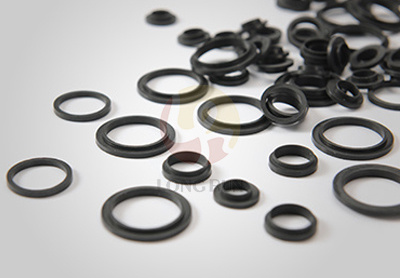
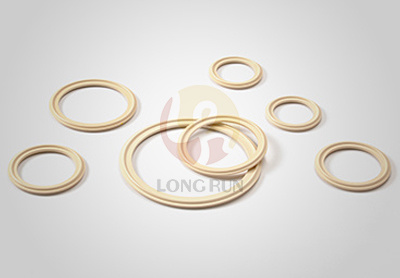
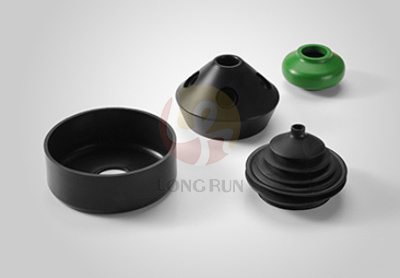
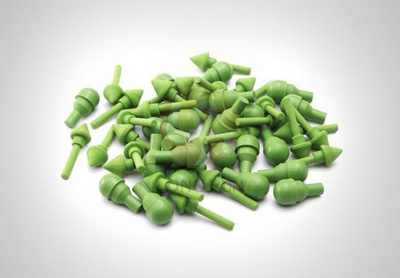
Rubber stoppers are typically made from high-quality natural rubber, silicone, or synthetic elastomers. These materials provide excellent flexibility, chemical resistance, and durability, making the stoppers suitable for a wide range of operating conditions. Available in various shapes, sizes, and hardness levels, rubber stoppers can be customized to fit standard laboratory glassware or industrial containers. Their design ensures tight sealing and easy insertion or removal without damaging the container.
Chemical and Thermal Resistance
One of the key advantages of rubber stoppers is their resistance to chemicals, solvents, and temperature fluctuations. High-quality stoppers maintain their integrity when exposed to acids, bases, alcohols, and other reactive substances. Silicone and specialized elastomer variants can withstand elevated temperatures, making them suitable for autoclaving, sterilization, and industrial processes requiring heat exposure. This combination of chemical and thermal stability ensures safe and consistent performance under demanding conditions.
Applications in Laboratories and Industry
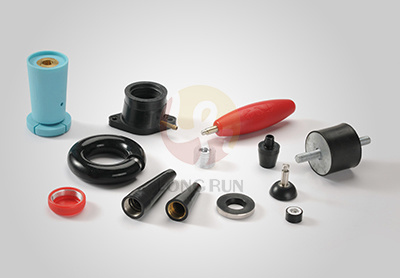
In laboratory settings, rubber stoppers are essential for sealing flasks, test tubes, and reagent bottles, helping prevent contamination, spills, and evaporation. In pharmaceuticals, they ensure airtight sealing for vials, medicine bottles, and storage containers. In food and beverage processing, rubber stoppers maintain product quality by preventing oxidation and contamination. Additionally, in industrial manufacturing, they serve as protective caps, vibration dampers, or sealing plugs in machinery, pipelines, and chemical equipment.
Customizable and Versatile
Rubber stoppers are highly customizable, with options for pre-drilled holes, tapered shapes, or specialized coatings to suit specific applications. Pre-drilled stoppers allow for insertion of tubes, thermometers, or sensors while maintaining a secure seal. Tapered designs enable a snug fit across different container sizes, reducing the risk of leaks. Specialized coatings, such as PTFE or chemical-resistant layers, further enhance their performance in extreme conditions, making rubber stoppers versatile tools for modern laboratories and industrial processes.
Durability and Safety
Durability and safety are critical considerations for rubber stoppers. High-quality materials and precise manufacturing processes ensure long-term reliability, resistance to deformation, and minimal risk of contamination. Rubber stoppers are non-reactive, non-toxic, and comply with industry standards, providing safe and consistent performance for sensitive chemical, pharmaceutical, and food applications. Their robust construction also reduces replacement frequency, lowering operational costs and maintaining efficiency in continuous production environments.
Supporting Efficient Operations
By providing secure sealing, chemical resistance, and adaptability, rubber stoppers support operational efficiency and safety across laboratories, pharmaceutical production, food processing, and industrial applications. Their reliable performance prevents product loss, contamination, and exposure hazards. As industries demand higher safety standards, precision, and efficiency, rubber stoppers remain indispensable components that combine practicality, durability, and performance in everyday operations.
Related News
Understanding Quality Fiber Reinforced Diaphragms in Chemical Industry Applications
Quality fiber reinforced diaphragms play a crucial role in the chemical industry, particularly within the sector of rubber and other related products. These diaphragms are designed by embedding strong fibers within a rubber matrix, significantly enhancing their mechanical properties. The fiber reinforcement provides improved tensile strength, flexibility, and resistance to wear and tear, making th
Jul 13,2026
Why OEMs Prefer Established Rubber Bellows Manufacturers Table of Contents 1. Introduction 2. Understanding Rubber Bellows 3. The Importance of Quality in Manufacturing 4. Reasons Why OEMs Prefer Established Manufacturers 4.1 Track Record of Quality 4.2 Advanced Manufacturing Techniques 4.3 Reliable Supply Chain Management 4
Jul 11,2026
The Role of Viton O-Rings in the Automotive Industry
Viton O-rings are a crucial component in the automotive industry, playing a critical role in ensuring the reliability and efficiency of various systems within vehicles. Viton, a brand name for a type of fluorocarbon rubber, is known for its exceptional resistance to heat, chemicals, and wear, making it an ideal choice for automotive applications where durability and performance are paramount. One
Jul 09,2026
Exploring the Versatile Applications of Rubber Bonded Metals in the Chemical Industry
Exploring the Versatile Applications of Rubber Bonded Metals in the Chemical Industry Rubber bonded metals have emerged as essential materials in the chemical industry, serving various applications that enhance performance and safety. These composites combine the durability of metal with the elasticity of rubber, creating a unique solution for challenging environments. In this article, we will del
Jul 07,2026
Understanding Customized Molded Rubber Balls: Applications and Benefits
Customized molded rubber balls are a versatile product that plays a critical role in numerous applications within various industries. These balls are made from high-quality rubber materials, allowing them to be tailored to meet specific performance requirements and design specifications. The customization process involves shaping the rubber into desired forms and sizes, making it possible to creat
Jul 05,2026

Add: Building # 7, No. 27, Songbai Ling Avenue, Zhonghan Huizhou Industrial Park, Zhongkai High-tech Zone, Huizhou, Guangdong, China 516032

LONGRUN
Privacy Policy | SEO | Support: 300.cn