


Unlocking the Potential of Rubber Bellows: A Comprehensive Guide for Automotive Applications
Publish:
2026-01-20


Rubber bellows are essential components widely utilized in the automotive sector, particularly in applications requiring flexible and durable seals. As a leading rubber bellows manufacturer, understanding the intricacies of these products is vital for optimizing performance and ensuring longevity. Rubber bellows serve numerous functions, including vibration dampening, protecting sensitive componen
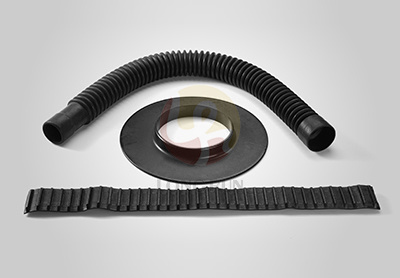
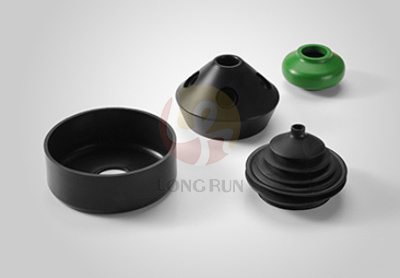
Rubber bellows are essential components widely utilized in the automotive sector, particularly in applications requiring flexible and durable seals. As a leading rubber bellows manufacturer, understanding the intricacies of these products is vital for optimizing performance and ensuring longevity. Rubber bellows serve numerous functions, including vibration dampening, protecting sensitive components from contaminants, and accommodating motion between parts.
When considering the manufacturing of rubber bellows, several factors contribute to their effectiveness. First, the choice of material is paramount. High-performance elastomers, such as EPDM (Ethylene Propylene Diene Monomer) and Nitrile Rubber, are frequently used due to their excellent resistance to heat, chemicals, and weathering. The formulation of the rubber compound can be tailored to meet specific requirements, ensuring that the bellows can withstand the rigors of automotive environments.
The design of rubber bellows is equally important. They are typically engineered to provide flexibility while maintaining structural integrity. A properly designed bellow should allow for axial and lateral movements without compromising its sealing capabilities. This is often achieved through careful consideration of the bellow’s geometry, including the number of convolutions, wall thickness, and overall dimensions. Advanced computer-aided design (CAD) software plays a significant role in optimizing these parameters during the design phase.
The manufacturing process of rubber bellows involves various techniques, including molding and extrusion. Injection molding is a preferred method for producing complex shapes with high precision, while extrusion is commonly used for longer, continuous sections. Regardless of the method, quality control measures are critical during production to ensure that each bellow meets industry standards and customer specifications.
In addition to performance, rubber bellows must also be durable. Factors such as environmental exposure, temperature fluctuations, and mechanical stresses can lead to premature failure if not adequately addressed. Conducting rigorous testing, including dynamic fatigue tests, can help manufacturers assess the lifespan of rubber bellows under various conditions.
Furthermore, the integration of rubber bellows in automotive applications can significantly enhance overall vehicle performance. By minimizing noise and vibration, rubber bellows contribute to a more comfortable driving experience. They also play a crucial role in protecting sensitive components, thereby reducing maintenance costs and improving vehicle reliability.
In conclusion, the role of a rubber bellows manufacturer is to create products that meet the specific needs of the automotive industry. By focusing on material selection, design optimization, and rigorous testing processes, manufacturers can deliver high-quality rubber bellows that enhance vehicle performance and longevity. Understanding these elements is essential for anyone involved in the automotive supply chain, as they directly influence product efficacy and customer satisfaction.
When considering the manufacturing of rubber bellows, several factors contribute to their effectiveness. First, the choice of material is paramount. High-performance elastomers, such as EPDM (Ethylene Propylene Diene Monomer) and Nitrile Rubber, are frequently used due to their excellent resistance to heat, chemicals, and weathering. The formulation of the rubber compound can be tailored to meet specific requirements, ensuring that the bellows can withstand the rigors of automotive environments.
The design of rubber bellows is equally important. They are typically engineered to provide flexibility while maintaining structural integrity. A properly designed bellow should allow for axial and lateral movements without compromising its sealing capabilities. This is often achieved through careful consideration of the bellow’s geometry, including the number of convolutions, wall thickness, and overall dimensions. Advanced computer-aided design (CAD) software plays a significant role in optimizing these parameters during the design phase.
The manufacturing process of rubber bellows involves various techniques, including molding and extrusion. Injection molding is a preferred method for producing complex shapes with high precision, while extrusion is commonly used for longer, continuous sections. Regardless of the method, quality control measures are critical during production to ensure that each bellow meets industry standards and customer specifications.
In addition to performance, rubber bellows must also be durable. Factors such as environmental exposure, temperature fluctuations, and mechanical stresses can lead to premature failure if not adequately addressed. Conducting rigorous testing, including dynamic fatigue tests, can help manufacturers assess the lifespan of rubber bellows under various conditions.
Furthermore, the integration of rubber bellows in automotive applications can significantly enhance overall vehicle performance. By minimizing noise and vibration, rubber bellows contribute to a more comfortable driving experience. They also play a crucial role in protecting sensitive components, thereby reducing maintenance costs and improving vehicle reliability.
In conclusion, the role of a rubber bellows manufacturer is to create products that meet the specific needs of the automotive industry. By focusing on material selection, design optimization, and rigorous testing processes, manufacturers can deliver high-quality rubber bellows that enhance vehicle performance and longevity. Understanding these elements is essential for anyone involved in the automotive supply chain, as they directly influence product efficacy and customer satisfaction.
Related News
The Role of Rubber Bonded Metal Products in Improving Industrial Efficiency
The Role of Rubber Bonded Metal Products in Improving Industrial Efficiency Table of Contents Introduction Understanding Rubber Bonded Metal Products Historical Development of Rubber Bonded Metal Technology Benefits of Rubber Bonded Metal Products Applications in Industrial Settings Impact on Industrial Efficiency Future Trends and Innovations Frequently Asked Ques
Oct 12,2026
The Essential Guide to Viton O-Rings: Key Benefits and Applications
Viton O-rings are vital components in various industrial applications, particularly in the chemical and rubber products sector. Known for their exceptional performance, these O-rings are made from a type of fluoroelastomer that exhibits remarkable resistance to heat, chemicals, and aging. This unique combination of properties makes Viton O-rings an ideal choice for demanding environments where tra
Oct 09,2026
The Benefits of Choosing Molded Rubber Balls Over Traditional Alternatives
The Benefits of Choosing Molded Rubber Balls Over Traditional Alternatives Table of Contents Introduction Understanding Molded Rubber Balls Advantages of Molded Rubber Balls Durability and Longevity Cost Efficiency Customizability Versatility in Applications Environmental Impact Comparison with Traditional Alternatives Selection Criteria for Molded Ru
Oct 06,2026
Unlocking the Versatility of Rubber Balls in the Chemical Industry
Rubber balls are a remarkable example of how a simple concept can manifest in numerous applications within the chemical sector and beyond. Their versatility makes them an essential component in various industries, including manufacturing, automotive, and sports. Understanding the properties and potential uses of rubber balls can empower businesses to harness their capabilities effectively. First a
Oct 03,2026
The Vital Role of Rubber Flexible Connectors in Modern Industrial Systems
The Vital Role of Rubber Flexible Connectors in Modern Industrial Systems Rubber flexible connectors are essential components in various industrial applications, playing a crucial role in facilitating the seamless operation of systems that rely on fluid and gas movement. In today's fast-paced industrial landscape, the significance of these connectors cannot be overstated. As industries evolve and
Sep 30,2026

Add: Building # 7, No. 27, Songbai Ling Avenue, Zhonghan Huizhou Industrial Park, Zhongkai High-tech Zone, Huizhou, Guangdong, China 516032

LONGRUN
Privacy Policy | SEO | Support: 300.cn